
FGI Groups supplies float glass in Pakistan in clear, tinted, low-iron, reflective, and mirror variants — sourced from Pakistan’s leading producers including Tariq Glass and Ghani Glass, and cut, processed, and fabricated to your project specifications at our Lahore facility. Float glass is produced by floating molten glass over a bath of molten tin, creating a perfectly flat, distortion-free sheet with uniform thickness and high optical clarity. Available from 2mm to 19mm thickness, float glass is the raw material base for tempered glass, laminated glass, double glazed units, mirrors, and coated glass — making it the foundation of every glass processing application.
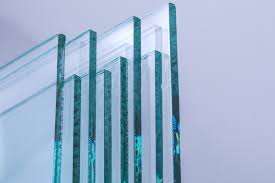
Standard clear glass with high light transmission and optical clarity. Slight natural green tint visible at edges due to iron content in raw materials. Available 2mm to 19mm. Used in windows, doors, partitions, facades, furniture, and as base glass for further processing.
Reduced iron content produces a near-colourless glass with superior light transmission and colour neutrality. The natural green edge tint of standard clear glass is eliminated. Ideal for display cases, premium facades, frameless glass systems, high-end interiors, and solar panel applications where colour accuracy matters.
Metal oxides added during production produce green, grey, brown, or blue tints. Tinted glass reduces solar heat gain and glare while maintaining natural light transmission. Used in office facades, commercial buildings, and residential projects across Pakistan where solar control is required without coatings.
Coated float glass that reflects heat and sunlight from the exterior. Reduces cooling loads in commercial buildings. Available in silver, gold, blue, and green reflective finishes. Widely specified for office towers and commercial facades across Lahore, Karachi, and Islamabad.
Float glass with a metallic backing that creates a high-clarity reflective surface. Used in interior design, furniture, retail fit-outs, bathrooms, and decorative applications.
Float glass treated with abrasive blasting to create a frosted, translucent surface. Used for privacy partitions, decorative panels, bathroom glass, and office screens.
Textured or acid-etched float glass for decorative and privacy applications in residential and commercial interiors.
| Thickness | Common Applications |
|---|---|
| 2mm – 3mm | Picture frames, small panels, display cases |
| 4mm | Interior partitions, cabinet glass, furniture |
| 5mm – 6mm | Windows, doors, mirrors, standard partitions |
| 8mm | Commercial windows, shopfronts, table tops |
| 10mm | Structural partitions, heavy-duty shopfronts |
| 12mm | Glass floors, heavy structural applications |
| 15mm – 19mm | High-load structural glazing, base for bullet resistant glass |
All thicknesses available cut to your project dimensions. Contact FGI Groups with your size requirements for same-day pricing.
A question architects and contractors frequently ask when specifying glass for a project:
Float glass vs tempered glass
Float glass is annealed — it cuts cleanly and can be drilled, edged, and processed after manufacture. Tempered glass is 4–5× stronger but cannot be cut or processed once tempered — all cutting and shaping must be done to the float glass before tempering. For safety-critical applications (doors, railings, facades), float glass is processed into tempered glass. → View Tempered Glass
Float glass vs laminated glass
Laminated glass bonds two or more float glass sheets with a PVB or EVA interlayer. Standard float glass shatters into sharp fragments; laminated glass holds together. Float glass is the base material — it is processed into laminated glass for safety, acoustic, and security requirements. → View Laminated Glass
Float glass vs double glazed glass
Double glazed units use two float glass panes separated by a sealed air or gas cavity. Float glass alone has no insulating value; double glazing dramatically reduces heat transfer and noise. Float glass is the component; double glazed glass is the assembled unit. → View Double Glazed Glass
Float glass vs low-E glass
Low-E glass is float glass with a microscopically thin metallic coating applied to one surface to reduce heat transmission while allowing light. The float glass substrate is the same — the coating is what changes performance. → View Low-E Glass
Float glass is the starting point for almost every glass application in construction, interior design, and automotive production:
Architecture & Construction: Windows, external facades, curtain walls, skylights, and structural glazing — typically as the base for tempered, laminated, or coated processing.
Interior Design: Partitions, mirrors, decorative panels, balustrades, glass furniture, shower enclosures, and retail fit-outs.
Further Processing: The raw material for FGI Groups’ full processing range — tempered glass, bent tempered glass, laminated glass, double glazed units, bullet resistant glass, fritted glass, and smart switchable glass.
Automotive: Windscreens, side windows, and rear screens begin as float glass before lamination and tempering for vehicle use.
Float glass price in Pakistan depends on glass type (clear, tinted, low-iron, reflective), thickness, sheet size, and quantity. Cut-to-size pricing is higher per square metre than full-sheet supply. Imported glass (Guardian, AGC, Saint-Gobain) is priced above local float glass (Tariq, Ghani) for the same thickness.
FGI Groups supplies float glass at factory-direct prices — no distribution markup between processor and customer. Contact us with your glass type, thickness, dimensions, and quantity for a same-day price.
Float glass is used as the base material for windows, doors, partitions, facades, mirrors, and furniture glass. It is also the raw material for further processing into tempered glass, laminated glass, double glazed units, and coated glass for architectural, automotive, and interior applications across Pakistan.
Float glass price in Pakistan varies by thickness, type (clear, tinted, low-iron, reflective), and supplier. Standard clear float glass is priced per square foot or square metre. Contact FGI Groups with your specifications for current pricing — we respond the same working day.
Float glass is produced using the float process — molten glass floated on tin to produce a perfectly flat, distortion-free sheet. Older “normal” glass was drawn or rolled, producing slight distortion. Virtually all flat glass used in construction today is float glass.
Float glass is annealed base glass — it can be cut, drilled, and processed. Tempered glass is float glass that has been thermally treated to be 4–5× stronger. Tempered glass cannot be cut after manufacture. Float glass is the input material for tempering.
Unprocessed float glass is relatively weak — it breaks into sharp shards when fractured. For safety-critical applications, float glass must be processed into tempered or laminated glass. It also has no thermal insulation value on its own — double glazed units or coated glass are required for energy performance.
Yes — float glass is used in virtually every construction project globally. As a raw material it is always the starting point, and in its standard form it is used for interior applications, mirrors, furniture, and non-safety glazing throughout Pakistan.
Yes. FGI Groups supplies float glass cut to your project dimensions from our Lahore facility. We supply standard sheets and custom-cut sizes in all thicknesses from 2mm to 19mm. Contact us with your dimensions and quantity for a same-day quote.

A type of safety glass that is heat-treated for extra strength and durability. It is shatter-resistant and ideal for doors, windows, and modern interiors.

Specially heat-treated glass curved into custom shapes while keeping high strength. Ideal for modern facades, railings, showcases, and decorative designs.

Made by bonding two or more glass layers with a plastic interlayer for safety. It holds together when shattered, making it perfect for skylights, facades, and automotive use.
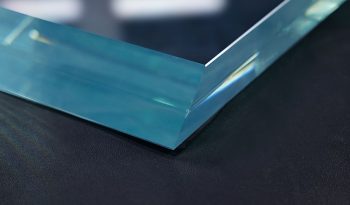
Two glass panes separated by an air or gas-filled gap for insulation. It improves energy efficiency, reduces noise, and enhances indoor comfort.

Made with three glass panes and insulating gaps in between. It offers superior thermal insulation, noise reduction, and maximum energy efficiency.

Energy-efficient glass with a special coating that reflects heat while allowing natural light. Ideal for reducing energy costs and maintaining indoor comfort.